





























Fast crypto swaps feel simple from the outside. A user picks one coin, adds a wallet address, waits a few minutes, and the exchange is done. No long dashboard, no trading screen, no order book to study. This is why instant swaps became popular among regular crypto holders, especially people who do not want to keep funds on a centralized platform. The idea sounds clean: move value from one asset to another and stay in control of the wallet. For security teams, though, this small action can sit inside a much larger story about privacy, fraud, wallet hygiene, and blockchain traces.
Search interest around coins often creates that larger story. While searching for market narratives, meme coin cycles, or doge price prediction for 2026, people end up navigating through an entanglement of charts, social media influences, scams, clone websites, and swapping links offered in the commentaries. The security problem starts when curiosity turns into action too quickly. A person reads a prediction, sees a “limited” swap offer, connects a wallet, signs a transaction, and only later notices that the address, contract, or platform was part of a scam chain.
Privacy is not the same as invisibility
Crypto privacy is often explained in lazy words. Some users think that no-KYC means nobody can ever connect a transaction to them. That is a dangerous idea. Public blockchains are built around visible movement. Wallet addresses may not show a passport name, yet they leave patterns. A wallet receives funds, sends them to an exchange, touches a bridge, moves through several tokens, or interacts with a risky contract. Over time, these actions can create a fingerprint.
For ordinary users, privacy can be about avoiding unnecessary data collection. They may not want to upload documents for a small swap. They may prefer self-custody. They may want fewer accounts and fewer databases holding personal details. This is a valid fear when considering the high number of frequent data breaches. Yet, even privacy does not eliminate the need for proper precautions.
For investigators and SOC teams, the same privacy tools can appear in incident timelines. Ransomware actors, wallet drainers, phishing groups, and fake investment crews often use swaps to move stolen funds across assets. This does not make every no-KYC swap suspicious. It means that fast movement between assets has become part of both normal crypto behavior and criminal workflows.
Instant swaps enter cyber incidents
Instant swaps can show up in cases that begin far away from crypto. A phishing email steals a browser session. Malware replaces a copied wallet address. A fake support agent pushes a victim to “verify” a wallet. A malicious extension asks for permissions that look routine. This is the reason behind the idea that cryptocurrency protection should be approached not separately but as a part of cyber hygiene practices.
An important internal reading to refer to would be “The Importance of Security Features in Crypto Wallet Apps” and its warnings about malware stealing wallet keys or changing copied addresses.. That clipboard trick is still one of the simplest attacks because it waits for a normal user action. The victim believes they pasted a trusted address, while malware silently swaps it for another one.
Ransomware adds another angle. Attackers often demand payment in cryptocurrency because it can move quickly across borders. A deeper look at this economy is covered in Anatomy Of The Ransomware Cybercrime Economy. In this way, swapping services, wallets, mixers, bridges, and exchanges can become parts of a laundering scheme. While the SOC team is unlikely to see the entire laundered flow, small elements of it are significant, including the ransom note, wallet addresses, transactions’ hashes, IP logging information, browsing history, etc.
The scam layer around market hype
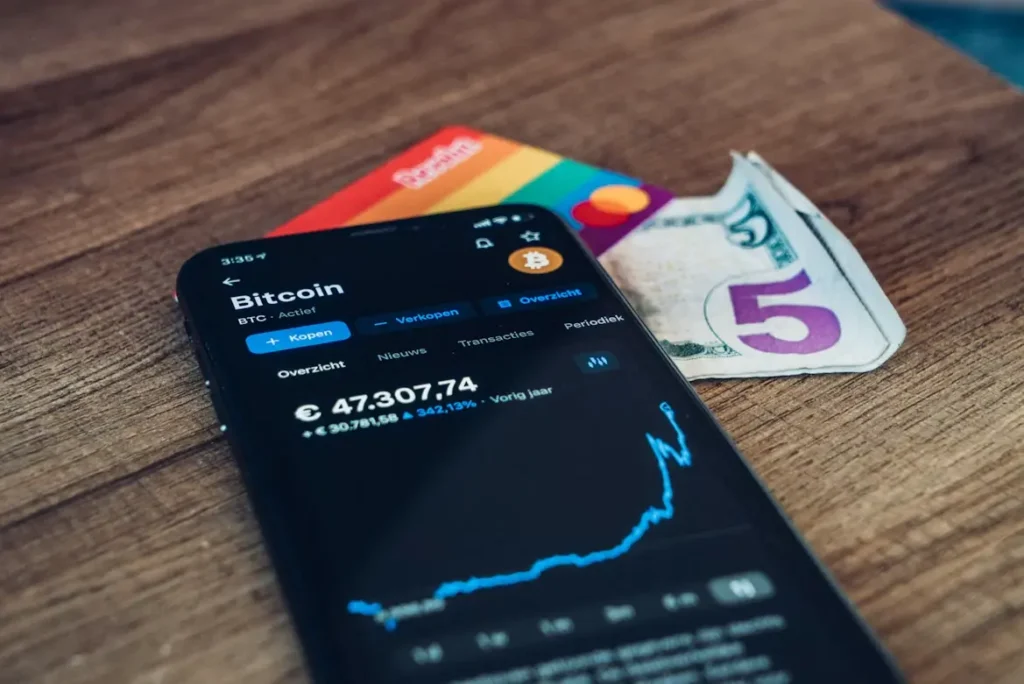
Every strong market story creates a scam layer around it. Meme coins make this layer louder because they attract both experienced traders and total beginners. A beginner may understand the joke behind a coin, yet still miss the security risk behind a link. Scammers know this. They build pages around price forecasts, fake airdrops, bonus swaps, urgent token migrations, and “support” chats that ask users to sign something.
A few warning signs repeat often:
- A swap page promoted through replies, direct messages, or fake support accounts
- A wallet signature request that appears before the user understands the action
- A promise of guaranteed returns tied to a trending coin
- A domain name that imitates a known brand with one changed letter
- A request to send funds first to “unlock” a larger withdrawal
The FBI guidance on cryptocurrency investment fraud warns users to stop sending money and report suspected cryptocurrency investment fraud through IC3 when they believe they have been targeted. That advice sounds simple, yet many victims keep paying because scammers build pressure and shame into the conversation. A calm pause can save a wallet. A second device check, a domain check, and a search for independent reports can break the scam rhythm.
Market predictions can be useful as reading material. They become risky when they push rushed transactions. A good rule is to separate research from execution. Read the market view, close the tab, verify the platform separately, check the wallet address, and only then decide whether a swap makes sense.
What SOC teams should watch
For SOC analysts, crypto-related incidents are difficult because the evidence sits across several layers. Some evidence is on-chain. Some are inside email headers. Some are in browser extensions, DNS logs, authentication events, or malware alerts. The useful question is rarely “Was crypto involved?” The better question is “Where did the user first lose control?”
A practical triage flow can include:
- Collect wallet addresses, transaction hashes, suspicious domains, and chat handles
- Check whether the user installed a new extension or wallet app
- Review DNS and proxy logs for lookalike swap domains
- Look for clipboard access, infostealer indicators, and unknown browser processes
- Preserve phishing emails, landing pages, and signed transaction details
CISA’s StopRansomware Guide also reminds organizations to prepare before an incident happens. Backups, reporting paths, segmentation, and clear response roles matter because crypto payment pressure often appears when the company is already stressed. At that moment, slow decision-making helps attackers.
The narrow lesson is simple. Instant crypto swaps are not the enemy. No-KYC tools are not automatically criminal. Privacy is not a magic shield. The real risk lives in the gap between speed and verification. Crypto makes value move quickly, while human attention moves unevenly. Scammers use that gap. Security teams have to close it with better habits, better logs, and calmer decisions.