


































Choosing the right type of Solar Panel Installation can significantly impact energy efficiency and cost savings. Whether you opt for a rooftop or ground-mounted system, understanding the pros and cons of each option is crucial. This article will explore the advantages and disadvantages of both rooftop and ground-mounted Solar Panel Installations, compare their effectiveness, and discuss factors that might influence your decision. By the end, you’ll have a clearer picture of which installation type might best suit your needs.
Rooftop Solar Panel Installation: Pros and Cons
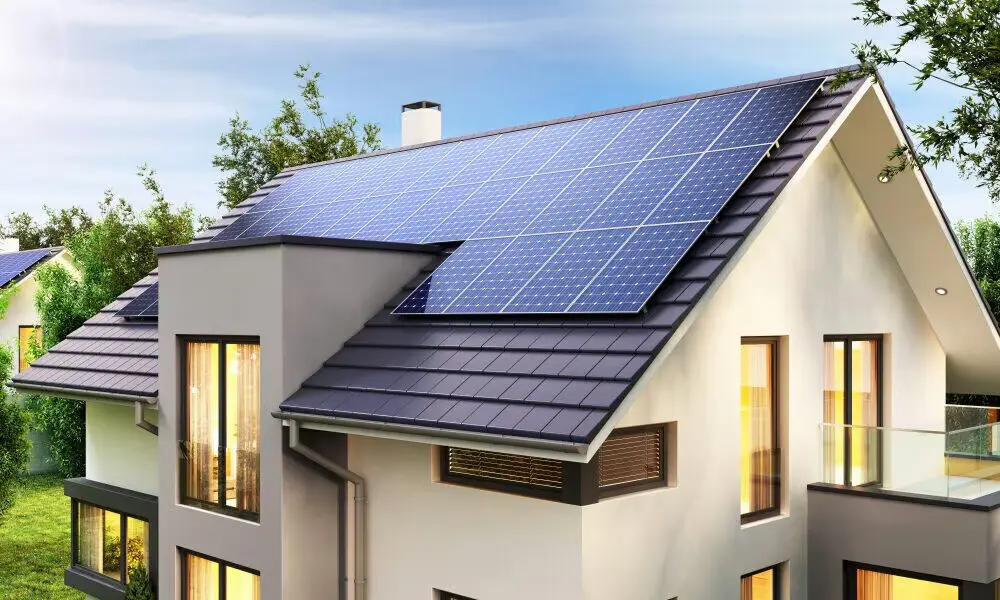
Rooftop Solar Panel Installations are a popular choice for many due to their space-saving benefits. One of the primary advantages is the ability to utilize existing roof space, which is particularly beneficial in urban areas where land is scarce. Additionally, because rooftops are elevated, panels are less likely to be shaded by trees or other structures, maximizing sun exposure and efficiency. Choosing a professional Solar Panel Installation can further enhance these benefits.
However, there are also drawbacks to consider. The angle and orientation of your roof can limit the efficiency of energy capture. Maintenance can also be more challenging; accessing rooftop panels for cleaning or repairs requires more effort and potentially additional safety precautions. Moreover, the structural integrity of the roof must be assessed to ensure it can support the weight of the solar panels.
Ground-Mounted Solar Panel Installation: Pros and Cons
Ground-mounted solar panels offer flexibility in terms of placement and orientation, which can be optimized for maximum sun exposure. This flexibility can lead to higher energy output compared to rooftop systems. Furthermore, maintenance is generally easier since panels are more accessible, which can be a significant advantage when performing regular cleanings or repairs.
However, ground-mounted systems require more space and are often not feasible in densely populated areas. They can also be more expensive to install due to the need for additional infrastructure, such as supports and wiring. Additionally, they may be subject to local zoning laws or homeowner association restrictions, which can complicate the installation process.
Comparative Effectiveness of Rooftop vs. Ground-Mounted Solar
When assessing the effectiveness of rooftop versus ground-mounted Solar Panel Installations, energy efficiency and output are key considerations. According to a recent study by the U.S. Department of Energy, ground-mounted systems typically produce more energy due to their optimal placement. However, rooftop installations can be equally effective in regions with high solar insolation.
The cost-effectiveness of each installation type also varies. Rooftop installations generally have lower installation costs since they use existing infrastructure, while ground-mounted systems may offer better long-term returns due to higher energy output. Ultimately, the decision might hinge on specific circumstances such as available space and local climate conditions.
Factors Influencing the Choice Between Rooftop and Ground-Mounted Systems
Several factors can influence the choice between rooftop and ground-mounted Solar Panel Installations. Space availability is a primary consideration; if you have limited land, a rooftop system might be the only viable option. Furthermore, local regulations and zoning laws can impact the feasibility of ground-mounted installations.
Another crucial factor is the intended use of the energy generated. For example, industries implementing Lean Manufacturing Metrics might prefer ground-mounted systems for their higher output, supporting energy-intensive processes such as those involving a Kanban Board or Just-In-Time Inventory. Additionally, the initial budget and long-term maintenance costs should be considered when deciding between the two options.
Conclusion
Deciding between rooftop and ground-mounted Solar Panel Installations depends on various factors, including space, budget, and energy needs. Rooftop installations offer a space-efficient solution, while ground-mounted systems provide flexibility and potentially higher energy output. By carefully assessing these factors and considering your specific situation, you can make an informed decision that maximizes both efficiency and cost-effectiveness for your solar energy needs.