






















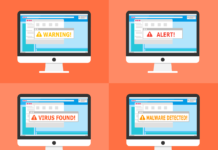












Security professionals never take a system on trust. They verify, they test, and they assume nothing until the evidence is in. That mindset turns out to be the perfect way to choose where you bet online, because the cost of getting it wrong lands squarely on you.
The Analyst’s Mindset
Before an analyst signs off on any platform, they ask a simple question: what could go wrong here, and how would I know? Applied to betting, that instinct filters out the vast majority of bad operators before a penny changes hands. Browsing a ranking like Sports Mole is a reasonable way to gather candidates, but a shortlist is only the start of the work. The real value comes from interrogating each name on it rather than taking the list at face value.
Trust is not a feature. It is a conclusion you reach after the checks pass.
The Vetting Process, Step by Step
Work through these in order. If a site fails an early step, there is no need to reach the later ones.
1. Verify the credentials
The first check is non-negotiable: is the operator licensed and regulated, with a named authority and a visible licence number? A legitimate book answers to a regulator and carries real obligations to protect your funds and data. No verifiable credentials, no trust. A useful primer on how to tell a proper betting site from a dodgy one lists the warning signs worth committing to memory.
2. Judge the substance, not the marketing
Once a site clears credentials, ignore the flashing bonus and score it on what matters over a long relationship. A clear framework for choosing a sportsbook on the things that genuinely count maps neatly onto an analyst’s checklist:
| Factor | What to check | Red flag |
| Licensing | Named regulator and licence number | Nothing visible |
| Payouts | Fast, reliable withdrawal history | Delays, caps, vague terms |
| Data handling | Encryption and a real privacy policy | No detail on storage |
| Market depth | Covers the sports you follow | Only headline events priced |
| Support | Reachable, responsive help | No genuine contact route |
3. Match the book to how you actually bet
There is no single best sportsbook, only the best one for you. Someone planning a road trip around Britain’s great racecourses needs strong racing markets, while a fan following the WWE premium live event calendar cares about entertainment betting. Be honest about your habits, then confirm the book actually covers them well rather than assuming it does.
4. Pilot before you commit
Analysts test in a small, controlled way before they rely on anything, and you can do the same. Start with a modest deposit, place one small bet, and run a withdrawal early. How smoothly the money comes back tells you more than any welcome offer ever could.
Secure Your Own Side
Even a flawless sportsbook cannot save a careless user. Use a unique password, enable two-factor authentication, and never log in over an untrusted network. Set a budget in advance, treat any wager as adult entertainment, and never chase a loss. Vetting is only half the job; the other half is how you behave once you are in. For a look at where all this data and scrutiny are taking the fan experience next, our piece on the rise of the data-driven fan picks up the story.