

































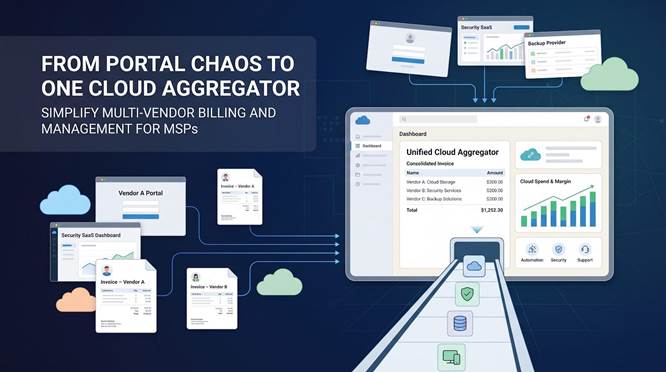
Juggling half a dozen vendor portals and invoices every month? We feel your pain.
Cloud aggregator platforms turn that chaos into a single checkout lane.
Enterprise-software sales through hyperscaler marketplaces are projected to jump from $16 billion in 2023 to $85 billion by 2028, according to TechEconomy.
In this guide, we rank seven standout hubs—from broadline distributors like TD SYNNEX to born-in-the-cloud upstarts—so you can focus on delivering value, not wrestling portals.
How we chose the top cloud aggregators
Before we rank anything, you deserve to know the yardstick.
We talked with dozens of MSP owners, scanned Reddit war stories, and reviewed analyst notes to pinpoint what moves the needle in day-to-day operations. Seven themes surfaced: catalog breadth, partner margins, automation depth, security posture, support quality, pricing transparency, and innovation pace.
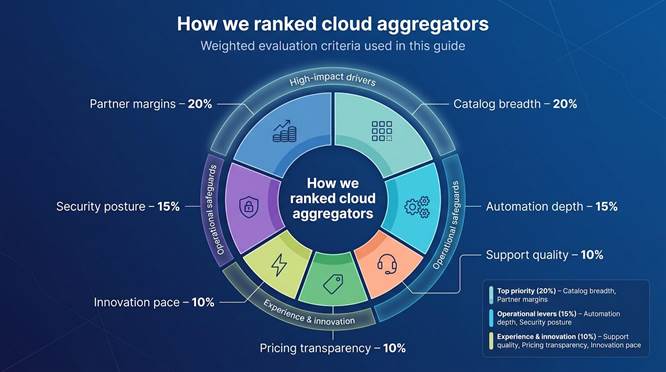
To keep the process honest, we assigned a weight to each theme based on real-world impact. Breadth and profitability sit on top at 20 percent each because if the platform can’t supply the services you sell, or it erodes your margin, the rest doesn’t matter. Automation and security follow at 15 percent apiece; both save you from costly mistakes. Support and transparency share 10 percent each, rounding out the “will this make my life easier?” factor. Finally, we give innovation 10 percent to reward vendors who keep partners ahead of market shifts.
Every platform on our long list earned a detailed scorecard against these criteria. The seven leaders you’re about to meet outranked the field by a clear margin, so the order isn’t opinion; it’s math seasoned with frontline insight.
1. TD SYNNEX CloudSolv (StreamOne)
Picture a single cockpit where you can spin up Azure VMs, add Microsoft 365 seats, drop in Cisco security, and even quote a pallet of laptops, then push one consolidated invoice to your PSA. That’s CloudSolv in practice.
Scale is its calling card. TD SYNNEX backs the marketplace with 150 000 partners and a catalog that tops 900 vendors.
Those numbers feed a wider portfolio of enterprise cloud solutions that combines StreamOne automation, PSA connectors, and white-label storefronts to keep usage, billing, and renewals aligned across AWS, Azure, and Google Cloud.
Just as important, StreamOne APIs feed real-time usage data straight into ConnectWise or Autotask, so you’re never guessing what to bill on the first of the month.
Enterprise perks hide in plain sight. Need to help a customer burn down an Azure commit? Purchases through CloudSolv count in full, which keeps your client happy and preserves your margin. Facing a complex migration? A bench of more than 300 cloud engineers is one call away, and they’ll walk the architecture with you before you quote.
Yes, the portal can feel dense on day one. Once you map your common bundles, automation takes over and the heft turns into horsepower. For mid-market and global providers chasing “one invoice, any region,” CloudSolv sets the benchmark others try to match.
2. Ingram Micro Cloud Marketplace (Xvantage)
If CloudSolv is an aircraft carrier, Xvantage feels like an entire fleet, hardware, software, and cloud sailing in formation. You can bundle Azure reservations, Lenovo laptops, and a migration service in one quote, click purchase, and let Ingram’s logistics spine deliver every piece.
The secret sauce is data. Xvantage watches millions of transactions and feeds an AI engine that nudges you toward logical add-ons, suggesting backup with Microsoft 365, or SASE when you size an AWS tenant. Those prompts turn rookie reps into confident solution architects and lift average deal value without extra headcount.
Financial muscle matters too. Ingram’s scale unlocks extended credit terms, volume-tier rebates, and leasing options that soften cash-flow dips when a customer’s Azure bill spikes. For global VARs, multi-currency billing across more than 60 countries removes spreadsheet gymnastics for exchange rates.
There is a learning curve. The catalog is vast, and the interface shows every toggle an enterprise might need. New partners who invest a few hours in Xvantage Academy report smooth sailing; those who skip orientation can feel lost in menus.
Bottom line: if you run complex, multi-region projects and want one platform that mirrors your full bill of materials, devices included, Xvantage is the heavyweight that can keep pace with your ambition.
3. ArrowSphere
ArrowSphere isn’t trying to be everything for everyone. Instead, it zeroes in on one stubborn problem: giving partners crystal-clear control over sprawling, multi-cloud estates.
Open the dashboard and you see real-time spend across Azure, AWS, and Google Cloud. A margin slider lets you fine-tune pricing on the fly, so proposals stop living in spreadsheets. When the customer asks, “How green is our cloud footprint?” you click the new GreenOps tab and show carbon figures alongside cost, and security scores—data pulled from Arrow’s FinOps and sustainability dashboards launched in late 2023.
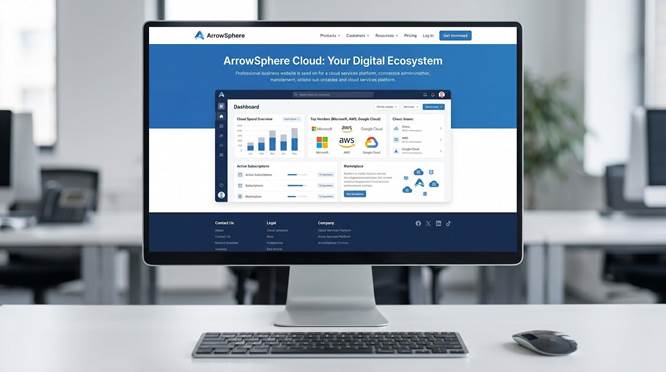
ArrowSphere multi-cloud FinOps and GreenOps dashboard screenshot
Those analytics aren’t window dressing. MSPs use them to spot idle resources, right-size workloads, and justify optimization projects that pay for themselves. Arrow’s solution architects back you up, jumping on calls to vet complex designs or push a sticky ticket through hyperscaler support.
The trade-off is scope. ArrowSphere focuses on major clouds and a curated ISV lineup rather than thousands of niche SaaS titles. If your portfolio skews toward deep infrastructure and governance, that focus feels liberating. For partners chasing every long-tail app, you may still need a secondary source.
In short, ArrowSphere turns cost, carbon, and compliance into levers you can pull instead of mysteries you chase at month-end.
4. Pax8
Pax8 built its reputation on speed. Order Microsoft 365 seats and, nine times out of ten, they appear in the customer tenant before your coffee cools. That near-instant fulfillment frees technicians from license limbo and turns onboarding into a task, not a project.
The interface feels like a modern SaaS app, not a retrofitted ERP screen. Search a vendor, hit add, adjust quantities, and Pax8 pushes the change straight into ConnectWise or Autotask. No CSV imports, no late-night reconciliations. Every seat change posts to your PSA in real time, so billing day becomes a non-event.
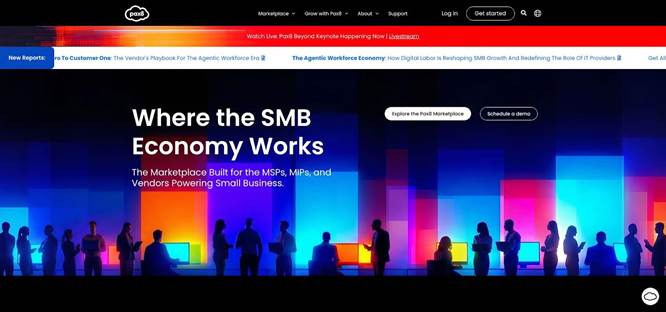
Pax8 cloud marketplace UI with real-time PSA billing sync
Tooling is only half the draw. Pax8 adds people power: a 24×7 support desk staffed by engineers fluent in Microsoft acronyms, a success coach who checks growth goals each quarter, and a 40 000-member peer community that shares fixes and pricing tips. That ecosystem makes a small MSP feel ten times bigger.
The catalog remains opinionated, rich in SMB staples such as security, backup, and a pilot AWS program, yet it skips some niche or enterprise workloads. Many partners keep a secondary distributor for fringe SKUs, then push 90 percent of volume through Pax8 because daily life is easier.
If agility and partner culture top your list, Pax8 is the cloud-native co-pilot that keeps tickets moving and revenue flowing.
5. Sherweb (Cumulus)
Sherweb wins deals the old-fashioned way, rolling up sleeves and working alongside you. Partners say a migration that would swallow a weekend elsewhere gets handled by Sherweb’s MIDAS team, free of charge, while they focus on billable projects.
The Cumulus marketplace leans into quality over quantity. About 70 carefully vetted SaaS and security offerings sit next to Microsoft 365 and Azure plans, so you spend less time sorting fringe tools and more time quoting proven bundles. Pricing is transparent, with no surprise platform or credit-card fees, meaning headline margin is the margin you keep.
Support is where Sherweb shines. A 24×7 North American help desk can answer calls as your white-label tier-one team, and dedicated account managers flag promo dollars or co-marketing funds before you even ask. The result: small MSPs feel ten times bigger without adding payroll.
The limitation is catalog breadth. If you need AWS resale or niche vertical apps, you will need a secondary source. For Microsoft-centric, service-heavy shops that value expert backup over an endless SKU list, Sherweb delivers concierge-level care that keeps customers, and technicians, happy.
6. AppDirect
Think bigger than cloud. AppDirect lets you package SaaS, IaaS, UCaaS, connectivity, and even energy services on one contract. That breadth helps mid-market clients who want “all-as-a-service” simplicity.
Under the hood sits a capable commerce engine. It runs subscription, usage, and commission models side by side, so an internet circuit and an Azure reservation land on the same invoice without manual gymnastics. For partners pursuing scale, a white-label storefront spins up quickly, turning your website into a self-service marketplace while AppDirect handles provisioning in the background.
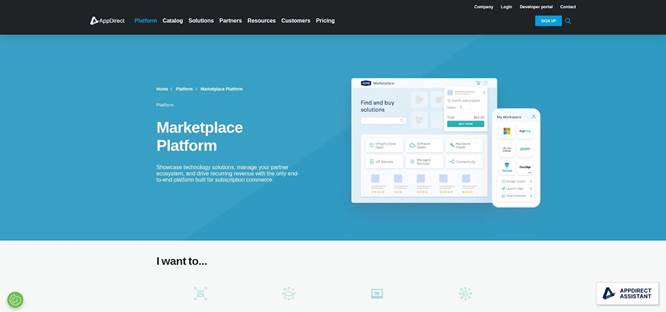
AppDirect marketplace and unified billing experience screenshot
Capital is another draw. The $180 million AppDirect Capital program advances multi-year commissions up front, freeing budget for marketing or head count long before vendors pay out. In a tight-margin industry, that cash flow can green-light expansion plans that would otherwise stall.
Expect a steeper onboarding curve. Flexibility means extra settings, and most partners rely on AppDirect’s implementation team for initial catalog setup. Pricing often follows a commission model rather than classic wholesale discounts, which may feel different if you are used to distributor margins.
For solution providers ready to blur the line between IT and telecom, and bill everything on a single invoice, AppDirect provides a platform that can scale with your service roadmap.
7. D&H Cloud Marketplace
D&H shows that “smaller” can feel closer, not limited. The employee-owned distributor built its cloud portal for partners who value a live human on the phone as much as an API.
Sign up with no revenue minimums, add your first Microsoft 365 tenant, and a D&H rep often calls to walk through best-practice billing settings. That proactive touch extends to flexible credit terms, vital when a surprise Azure spike lands before your client pays.
The marketplace itself sticks to the essentials: Microsoft cloud, popular security and backup vendors, plus device-as-a-service bundles that tie hardware and subscriptions together. Automation isn’t Pax8-quick yet; PSA integration relies on scheduled exports rather than live sync. Many SMB-focused MSPs accept that trade-off to get concierge-level quoting help and faster exception approvals.
Global coverage is limited to North America, so multi-region VARs will need a secondary supplier overseas. For U.S. and Canadian partners who felt overlooked by mega-distributors, D&H offers a refreshingly personal route to the cloud.
At-a-glance comparison
Seven contenders, seven different personalities. The table below puts their core traits side by side so you can spot the best fit at a glance, then circle back to the deep dives above when you need the nuance.
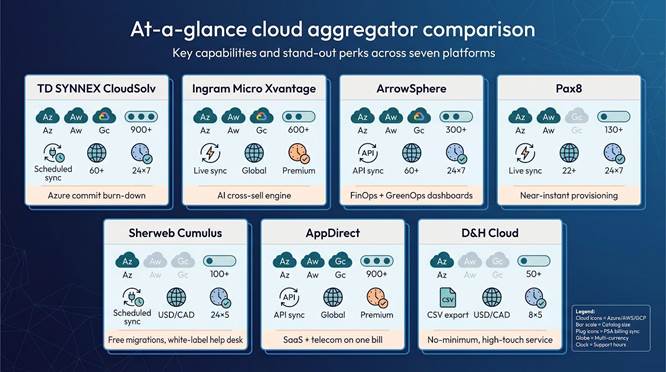
| Platform | Azure, AWS, GCP | Approx. SaaS vendors | PSA billing sync | Multi-currency billing | 24×7 support | Stand-out perk |
| TD SYNNEX CloudSolv | ✓ / ✓ / ✓ | 900+ | Real-time API | 22+ currencies | Escalation tier | Azure commit burn-down |
| Ingram Micro Xvantage | ✓ / ✓ / ✓ | 300+ | Broad APIs | 60+ countries | Optional premium | AI cross-sell engine |
| ArrowSphere | ✓ / ✓ / ✓ | 100+ | Custom API | Global | 24×5 | FinOps and GreenOps dashboards |
| Pax8 | ✓ / β / β | 130+ | Native live sync | USD, CAD, EUR, GBP | ✓ | 98 percent auto-provision speed |
| Sherweb Cumulus | ✓ / – / – | 70+ | Scheduled sync | USD, CAD | ✓ | Free migrations and white-label help desk |
| AppDirect | ✓ / ✓ / ✓ | 600+ | API and Salesforce | Global | Business hours | Sell SaaS plus telecom on one bill |
| D&H Cloud | ✓ / – / – | 50+ | CSV export | USD, CAD | 8×5 | No-minimum, high-touch service |
Legend: “β” indicates pilot or limited program.
Remember, features evolve fast. Use the grid as a starting point, then verify specifics with each vendor before you sign on the dotted line.
What makes each platform memorable
Data sheets tell part of the story, but one signature feature often seals the deal. Here’s the brag-worthy highlight you gain with each marketplace.
TD SYNNEX CloudSolv turns Azure spend commitments into a strategic advantage by letting third-party ISV purchases count toward the customer’s cloud contract instead of cutting your margin.
Ingram Micro Xvantage works like a seasoned sales engineer in your browser, using AI to suggest cross-sell bundles and renewal gaps before you even click “quote.”
ArrowSphere bakes sustainability into every proposal with its GreenOps dashboard, translating carbon footprint into the same clear numbers you track for cost.
Pax8 makes provisioning feel instant, so licenses land in the tenant before support tickets can form, preserving your tech team’s sanity.
Sherweb removes migration as a barrier to sales by handling mailbox and data moves for free, then fields tier-one calls under your brand so clients believe you scaled overnight.
AppDirect lets you sell fiber circuits and SaaS in one checkout, collapsing multiple supplier relationships into a single, predictable bill.
D&H Cloud delivers the human touch at scale; real people answer the phone, approve special pricing, and guide first-time cloud sellers without imposing revenue quotas.
Trends shaping the next 24 months
Cloud aggregation keeps evolving. Four shifts already changing partner playbooks deserve a quick spotlight.
Vendor marketplaces go channel-friendly. AWS, Microsoft, and Google have trimmed marketplace fees to about three percent and now let third-party purchases count against a customer’s committed cloud spend. That $16 billion channel in 2023 is tracking toward $85 billion by 2028, with more than half flowing through partners. Aggregators that add private-offer tooling will capture the easiest renewals.
FinOps meets GreenOps. Clients ask, “How much are we spending, and what’s the carbon hit?” ArrowSphere’s 2023 dashboard launch proved partners will pay for answers, and rivals are racing to ship similar cost-and-carbon views. Bundled optimization services are set to become a standard upsell on every cloud contract.
AI moves from buzzword to built-in. Ingram Xvantage already recommends add-ons, while Pax8 is piloting an AI advisor that flags stack gaps during quoting. Expect marketplaces to surface sales plays and draft private offers automatically instead of acting as passive catalogs.
Security and compliance pressure trickles down. Regulations such as NIS2 in Europe pull MSPs into the audit spotlight. Platforms that enforce MFA, log every action, and vet vendor apps for SOC 2 or ISO credentials lower partner risk, and soon, refusal to provide that evidence may kill a deal.
Choosing your cloud aggregator
Marketplace hype is loud, yet your checklist stays simple. Start by ranking the seven criteria we used — breadth, margin, automation, security, support, transparency, and innovation — according to your own pain points. A security-first MSP may weight criterion four twice as high as catalog size, while a global VAR cannot compromise on multi-currency billing.
Next, request a live demo. Watch how long it takes the rep to spin up a tenant, push a billing change, and export usage data. Those few clicks reveal more than any brochure ever will.
Finally, talk to peers already on the platform. Ask what surprised them at month three, not day one. Their insights will surface hidden fees, support responsiveness, and real-world quirks you will not catch in a sales deck.
Pick the marketplace that removes your biggest operational roadblock today and shows a plan for tomorrow’s trends. Nail that choice, and you free up hours of admin time, protect margins, and position your team for the AI-driven, sustainability-minded cloud economy that is already arriving.