


































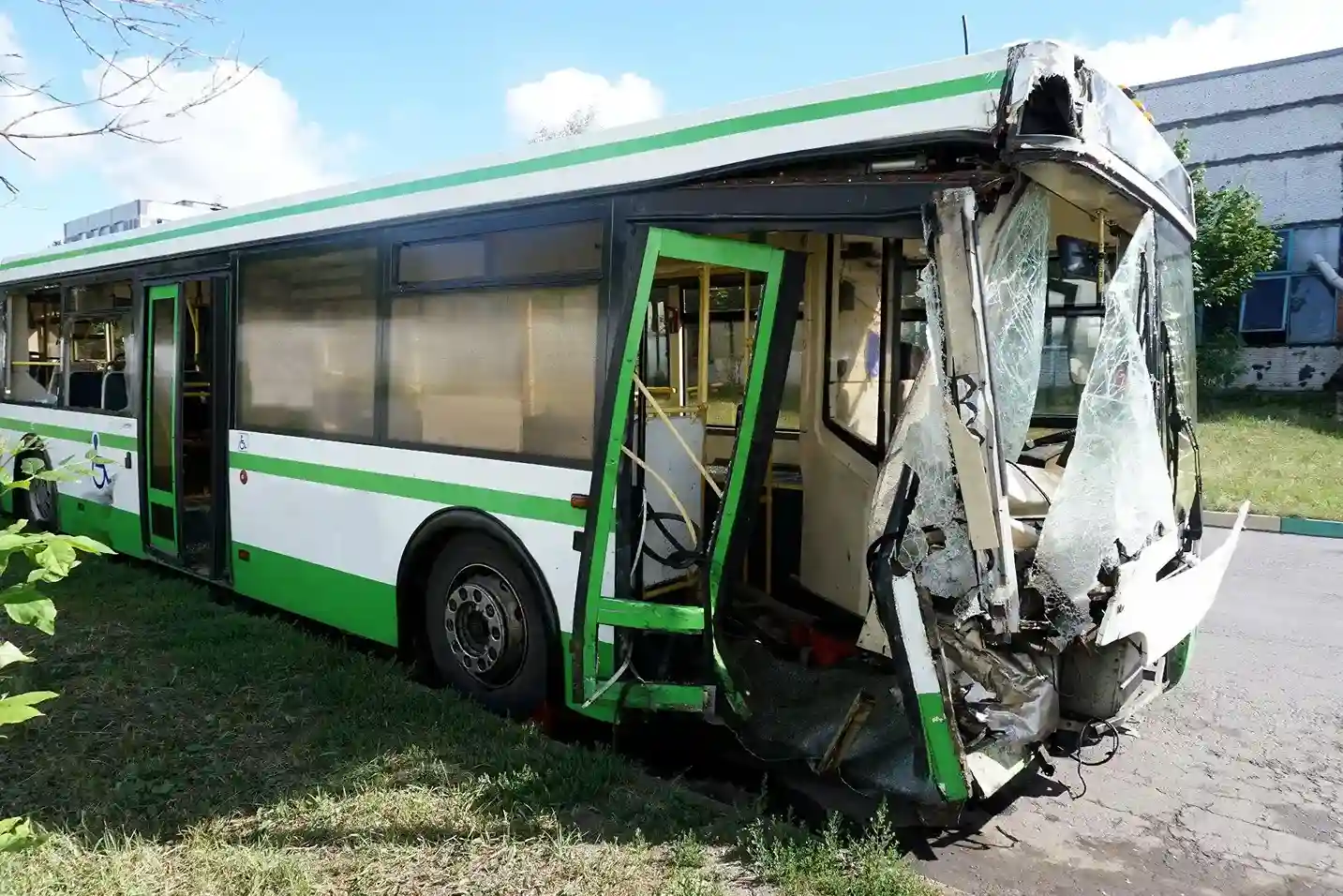
Most people think traffic accidents follow one set of rules. Two vehicles collide, insurance steps in, and responsibility is sorted out. That idea holds in many car accidents. But the moment a bus is involved, the legal landscape changes.
A bus is not just another vehicle on the road. It carries passengers, follows fixed routes, and often operates as part of a public service. When an accident happens, the law does not treat it as an ordinary crash. Extra legal rules appear, timelines shift, and responsibility becomes layered. This is why people often start looking for a bus accident lawyer, not because the crash felt different at first, but because the legal process quickly does.
Understanding why these extra rules exist helps explain why bus accident cases feel more complex than other traffic claims.
Why Buses Are Treated Differently Under the Law
The law views buses differently because of their role. Buses are designed to transport the public, not just the driver and passengers who choose to be there. Because of this, they are held to higher safety expectations.
In legal terms, buses are often treated as common carriers. This means they owe passengers a greater duty of care than ordinary drivers owe one another. The law expects careful operation, proper maintenance, and trained drivers because the risks are higher when many people depend on one vehicle.
This higher duty of care does not exist in regular car accidents. It is one of the first reasons bus crashes trigger different legal rules.
Public Transit and Private Vehicles Do Not Follow the Same Legal Path
Another major difference is who operates the bus. Some buses are run by public transit agencies. Others are owned by private companies, charter services, or schools.
When a public agency is involved, the rules change. Claims against government entities follow different procedures from claims against private drivers. There may be special notice requirements, shortened timelines, and additional legal steps before a case can even move forward.
These rules do not exist to deny responsibility. They exist because public agencies operate using public funds and serve large communities. The law treats them differently to manage risk and accountability.
Government Liability Changes the Rules Entirely
When a bus accident involves a government agency, the case moves into a different legal category. The law places limits on how and when claims can be brought against public entities.
This includes procedural rules that require early notice of a claim. Missing these steps can affect the ability to move forward, regardless of how serious the injury is.
These requirements do not apply in standard car accidents. They exist to protect public resources while still allowing injured people a legal path. This balance is unique to cases involving public transit.
Why Bus Accident Claims Face Higher Legal Thresholds
Bus accidents are examined more closely than typical crashes. This is because buses operate under strict standards related to training, scheduling, maintenance, and safety oversight.
Investigations may include driver logs, maintenance records, internal reports, and compliance reviews. These layers do not exist in ordinary car accidents.
Because the expectations are higher, the legal analysis becomes deeper. The question is not just what happened, but whether the systems behind the operation functioned properly.
Control Matters More Than Speed in Bus Accidents
In car accidents, speed and distraction often dominate legal discussions. In bus accidents, control plays a bigger role.
Who controls the route? Who sets the schedule? Who maintains the vehicle? Who trains the driver? These questions matter because responsibility may extend beyond the person behind the wheel.
A bus accident can involve decisions made long before the crash occurred. That is why liability often spreads across multiple parties rather than stopping with one driver.
Evidence Works Differently in Bus Accident Cases
Evidence in bus accident cases is often held by transit authorities or private operators. Surveillance footage, internal investigations, and maintenance records are not always immediately available.
In contrast, car accident evidence usually comes from drivers, police reports, and insurance inspections. Bus accident evidence is more centralized and controlled.
This difference affects timing and transparency. The legal process must account for where evidence exists and who controls it.
Why Bus Accidents Often Involve Multiple Defendants
Bus accident cases rarely involve just one responsible party. The driver may be one factor. The operating agency may be another. Maintenance contractors, vehicle manufacturers, or third-party service providers may also play a role.
This layered responsibility is another reason bus accident lawsuits follow different legal rules. The law must sort out responsibility across systems, not just individuals.
Common Misunderstandings About Bus Accident Law
Many assumptions about bus accidents do not hold up legally:
- A bus accident is not handled like a car crash
- Public agencies are not automatically liable.
- Passengers still must show negligence.
- Government cases do not move faster.
These misunderstandings often lead to frustration because the process feels unfamiliar and slow.
Why These Extra Rules Exist
These extra legal rules are not random. They exist for clear public policy reasons. Public transportation is funded by taxpayers and serves entire communities, so the law protects public resources from unlimited exposure. At the same time, buses are held to higher safety standards because passengers rely on them daily. The legal system tries to balance accountability with public service. It allows injured people to seek responsibility while ensuring that essential transit systems can continue to operate safely and reliably.
Conclusion: Understanding the Rules Changes Expectations
Bus accidents are not just traffic events. They are legal events shaped by public responsibility, safety standards, and structured accountability. The extra rules that apply are there for a reason. They protect public systems, encourage safer transit operations, and maintain fairness in how responsibility is assigned.
Understanding this framework helps explain why bus accident cases feel different from the very beginning. Once you see the legal structure behind them, the complexity makes sense.