





























When you hand over your keys to a transport driver, it can feel like the process pauses until your vehicle reappears at its destination. In reality, that moment marks the beginning of a carefully coordinated journey involving inspections, routing decisions, load management, and continuous adjustments behind the scenes.
Understanding what actually happens between pickup and delivery reveals why timelines vary, how risks are managed, and what determines whether a transport experience feels smooth or uncertain.
The Handoff: More Than Just Loading a Car
The pickup stage is not simply about placing a vehicle onto a trailer. It begins with a detailed inspection.
Drivers typically:
- Check the vehicle for existing damage
- Document its condition with notes and photos
- Record everything on a Bill of Lading, which acts as both a receipt and condition report
This documentation becomes the reference point for the entire journey. It ensures that any changes in condition can be accurately assessed at delivery.
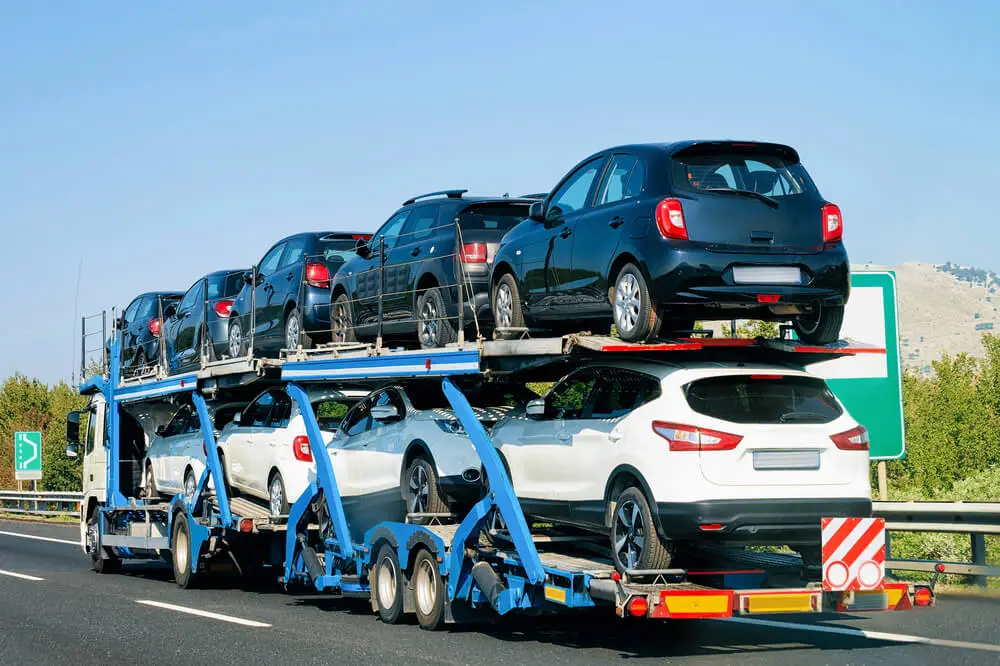
Once this is complete, the vehicle is loaded and secured using straps or specialized restraints designed to prevent movement during transit.
The First Hidden Phase: Route Integration
After pickup, your vehicle does not usually travel alone. Most transporters carry multiple vehicles, which means your car becomes part of a larger route plan.
Carriers optimize routes based on:
- Pickup and drop-off locations
- Delivery priorities
- Fuel efficiency and road conditions
This is why timelines are often given as windows rather than exact dates. Transporters are balancing multiple deliveries at once, adjusting routes to maximize efficiency.
Life on the Carrier: What Happens in Transit
Once on the road, the journey becomes a mix of movement, monitoring, and adjustment.
During transit:
- Vehicles are checked periodically to ensure they remain secure
- Drivers follow regulated routes and rest schedules
- Conditions such as weather or traffic may alter the journey
Transit times vary depending on distance. Short routes may take a couple of days, while longer journeys can take a week or more.
Stops Along the Way
A key part of the journey that often goes unnoticed is what happens when the transporter stops.
Stops are not random. They are part of the operational rhythm and may include:
- Driver rest periods
- Fuel stops
- Additional pickups or drop-offs
Each stop introduces complexity. Vehicles may be repositioned on the trailer to accommodate new loads, and route priorities may shift slightly as new deliveries are added.
This dynamic nature is why transport is not a straight line from pickup to delivery. It is a sequence of coordinated movements.
The Final Stage: Delivery and Re-Inspection
As the vehicle approaches its destination, the process becomes more structured again.
At delivery:
- The vehicle is unloaded carefully from the carrier
- A second inspection is carried out
- The condition is compared against the original report
You will then confirm receipt and condition of the vehicle, closing the loop that began at pickup.
Where Modern Platforms Fit In
What has changed most in recent years is not the physical movement of vehicles, but the way the process is managed and experienced.
Digital platforms now connect customers with networks of carriers, offering:
- Greater transparency around pricing and availability
- Access to multiple transport options
- Improved communication throughout the journey
For example, services that facilitate Indianapolis car transporters allow users to compare providers and track progress more effectively, making the process feel far less opaque.
Why Understanding This Matters
Knowing what happens between pickup and delivery changes expectations.
It explains:
- Why delivery windows are flexible
- Why communication comes in stages rather than constant updates
- Why choosing the right provider affects the entire experience
More importantly, it highlights that vehicle transport is not just about movement. It is about coordination, systems, and careful handling over time.
When you understand that, the process feels less like waiting and more like a structured journey happening just out of sight.