































Most shoppers do not really think about what happens after they see that “order confirmed” email pop up. But from the warehouse to the delivery truck, ecommerce fulfillment is what really decides if a customer comes back again or not.
It is like the hidden engine of online shopping; it affects how fast things arrive, how well packaged they are, and if people are happy at the end. Anyone building an online business needs to understand this now.
What Is Ecommerce Fulfillment?
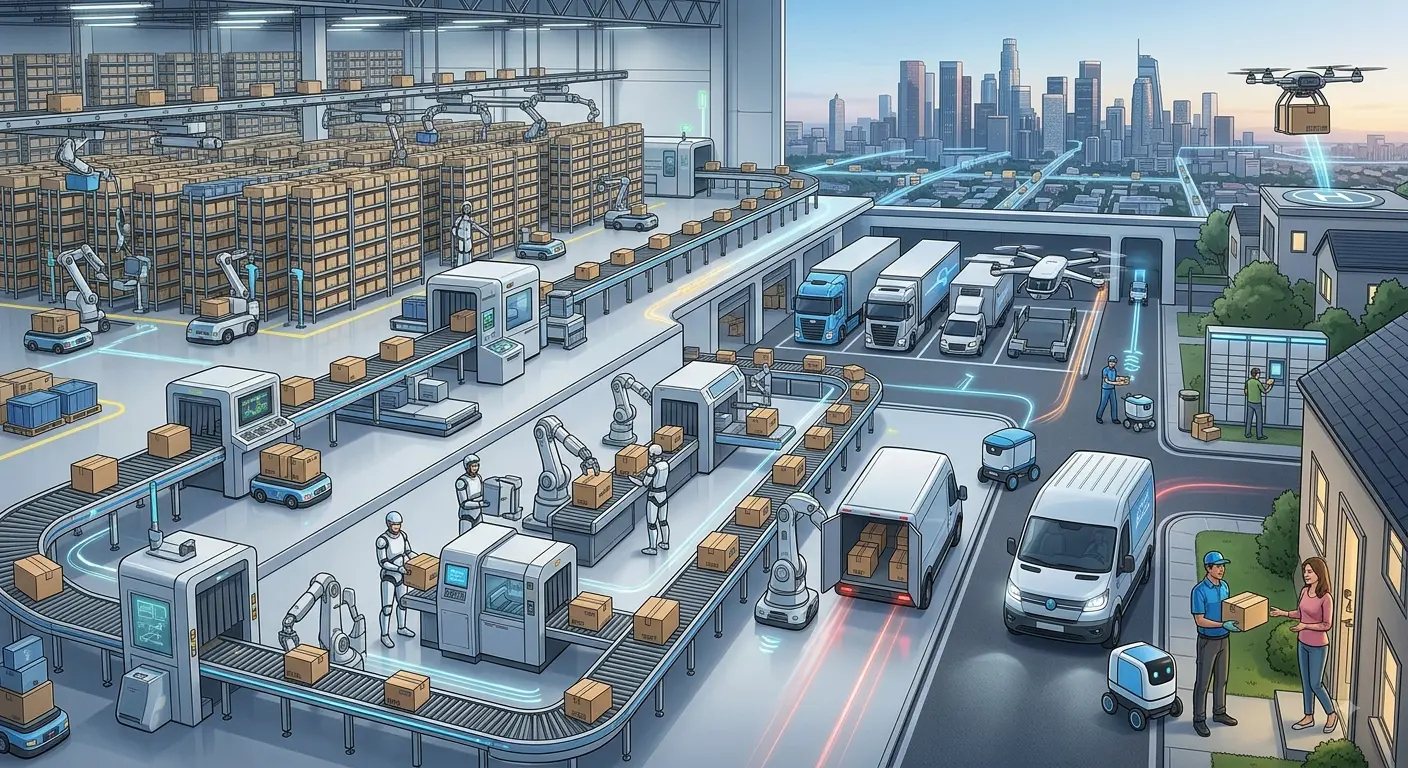
Ecommerce fulfillment is just the whole process of getting online orders from the warehouse shelf to the customer’s door. It includes storing stock, picking the right items, packing them up, and then shipping them. Sounds easy, right? But you have to do every step well, or else customers get unhappy. Then costs go up too.
How the Ecommerce Fulfillment Process Works
To understand this process fully, we first have to understand its components.
Storing inventory
Products need somewhere to stay before an order even happens. Businesses mostly keep stock in a warehouse, fulfillment center, or 3PL partner’s facility; this is how it normally works. When storage is done right, you can find your items fast, and you always know what is left. It also helps you not run out of stock or end up buying too much of something you don’t need. This is really the foundation of good ecommerce fulfillment.
How order processing works
Once a customer places an order, things start moving fast. The system checks the payment, sees if stock is there, and makes a pick list for the warehouse. Good ecommerce fulfillment tools can do all this quicker, cutting down on mistakes and getting orders out faster than doing it all by hand.
Picking and packing items
This part is the real physical work in ecommerce fulfillment. Packageman experts or machines find the items ordered, grab them, and then pack them up well and safely. Packaging is a big deal; people do not think about it enough. It keeps things safe on the way, and it is the first thing customers see when opening a box.
Shipping and delivery matters
The right shipping matters a lot when it comes to ecommerce fulfillment. It affects cost and how happy customers are. Some businesses give people different shipping speed options, while others just stick to one thing that works. Tracking is not really extra anymore; customers just expect it, so including it is kind of necessary now.
Handling returns the right way
Any good ecommerce fulfillment plan needs a returns process too, not just shipping. When returns are easy, customers trust you more, and they come back to buy again. But if a business ignores returns, they can lose customers who would have stayed otherwise.
Doing your own ecommerce fulfillment or letting someone else handle it
Some businesses handle ecommerce fulfillment on their own, while others pay a company to do it for them. Doing it yourself gives more control, but outsourcing saves time when orders start growing fast. Which one is right depends on your budget, size, and plans.
Conclusion
When it comes to ecommerce fulfillment, you have to ensure that you keep your promises to your customers. Your shoppers will trust you more when their orders arrive on time and in the right condition.
Whether you are new in business or growing fast, fixing up your fulfillment process pays off with repeat buyers. So, check your current setup, find the weak spots, and build something customers can trust.