

































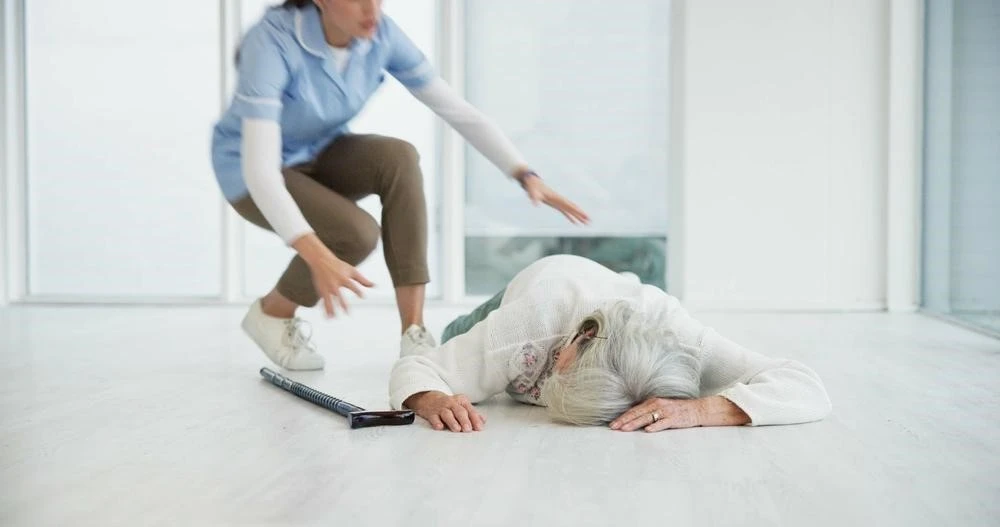
When a loved one suffers an injury in a nursing home, families are often left with more than anger and confusion. They are faced with difficult questions about what happened, whether it could have been prevented, and how the harm has affected the resident’s health, comfort, and dignity. In these moments, it is not enough to suspect that care fell short. To pursue accountability, the facts must be clearly supported.
That is why evidence plays such a central role in cases involving compensation for nursing home injuries. The strength of a claim often depends on how well the injury, the surrounding circumstances, and the impact on the resident can be documented. Evidence does more than prove that an injury occurred. It helps show how the injury happened, whether neglect or abuse contributed to it, and why compensation may be justified.
Evidence Helps Establish What Actually Happened
One of the first challenges in nursing home injury cases is determining the true cause of the harm. Facilities may offer general explanations, describe an injury as accidental, or downplay the seriousness of what occurred. Without solid documentation, it becomes much harder for families to challenge those explanations.
Evidence may help clarify:
- Whether the injury resulted from a fall, neglect, or physical abuse
- Whether the staff responded appropriately
- Whether the resident had prior warning signs that were ignored
- Whether the facility failed to meet its duty of care
This is especially important because nursing home residents are often vulnerable, and in some cases, they may not be able to communicate clearly about what happened.
Medical Records Are Often the Core of the Case
Medical records are among the most important forms of evidence in nursing home injury claims. They can show the nature of the injury, the treatment provided, the timeline of events, and whether the harm appears consistent with the explanation offered by the facility.
These records may include:
- Emergency treatment notes
- Physician evaluations
- Medication records
- Nursing observations
- Hospital discharge summaries
- Notes about pain, mobility, or condition changes
In many cases, the records reveal more than the injury itself. They may also expose delays in treatment, failure to monitor the resident properly, or repeated issues that suggest a broader pattern of neglect.
Photos and Physical Documentation Can Be Powerful
Visual evidence often has a strong impact because it shows the condition of the resident and the environment in a direct way. Photos taken soon after an injury can help preserve details that may otherwise be forgotten or disputed later.
Useful visual evidence may include:
- Bruising, cuts, or fractures
- Bedsores or signs of poor hygiene
- Unsafe room conditions
- Broken equipment or a lack of safety measures
- Signs of malnutrition or dehydration
When combined with medical records, photographs can help connect the visible harm to the facility’s care failures. This type of evidence may also make it easier to show the seriousness of the injury and the level of suffering involved.
Care Plans and Facility Records Matter More Than Families Realize
Nursing homes are expected to create care plans based on each resident’s needs. These plans may address fall risk, medication schedules, mobility support, nutrition, supervision, and other essential aspects of daily care.
If the facility failed to follow its own care plan, that can become a key issue in the claim. Important records may include:
- Resident care plans
- Incident reports
- Staffing schedules
- Internal notes about behavior or mobility changes
- Prior complaints or repeated injury reports
These records can show whether the injury was part of a larger problem, such as understaffing, poor training, or repeated neglect. That connection often has a major impact on how compensation for nursing home injuries is evaluated.
Witness Statements Can Strengthen the Claim
In some situations, family members, staff, other residents, or visitors may have observed important details. A witness may have seen unsafe conditions, noticed the resident’s decline, or heard inconsistent explanations after the injury occurred.
Witness statements can help:
- Support the timeline of events
- Confirm changes in the resident’s condition
- Show that concerns were raised before the injury
- Challenge the facility’s version of what happened
Even when no one directly saw the incident, observations from people close to the resident can still help build a fuller picture of the neglect or abuse.
Evidence Helps Show the Full Impact of the Injury
Compensation is not based only on the fact that an injury occurred. It is also tied to the consequences of that injury. Strong evidence helps demonstrate how the harm affected the resident physically, emotionally, and financially.
That may include:
- Additional medical treatment
- Pain and suffering
- Reduced mobility or independence
- Emotional distress
- Rehabilitation needs
- Increased care expenses
The more clearly these effects are documented, the easier it becomes to explain why meaningful compensation may be necessary.
Weak Evidence Can Reduce the Value of a Claim
Even when families strongly believe neglect occurred, a claim may become harder to pursue if key records are missing or if too much time passes before concerns are documented. Delays can affect memory, access to records, and the ability to preserve physical proof.
That is why early action matters. Keeping photos, notes from visits, communication with the facility, and copies of medical documents can strengthen the claim from the beginning.
Conclusion
Evidence is what turns concern into accountability in nursing home injury cases. It helps explain what happened, whether the facility failed in its responsibilities, and how deeply the injury affected the resident’s life. Without strong documentation, even serious harm can be minimized or disputed.
When families take the time to preserve records, ask questions, and document what they see, they create a stronger foundation for action. In cases involving vulnerable residents, evidence is not just paperwork. It is often the clearest voice the injured person has.