




















Ask any incident responder what people were doing right before their machine got popped, and “looking for a free game” shows up more often than you’d think. It’s not that gaming is dangerous. It’s that “free download” is one of the oldest lures in the book, and attackers still pour real effort into it because it still works. So let’s talk about how to actually find free games without inviting a stealer onto your system.
Why “free game” is such a good lure
The reason this search term gets abused is simple: intent. Someone typing “free full version” into a search bar is already halfway to clicking install. That’s gold for whoever set up the fake mirror on page one. The usual payloads haven’t changed much either — credential stealers, cryptominers, the occasional RAT — all riding shotgun inside an installer that looks close enough to the real thing.
The cracked-game trap
The single biggest trap is the cracked or “pre-activated” paid game. If a site is handing you a $60 title for free through a crack or keygen, assume it’s carrying something. That’s not me being paranoid; it’s just where the numbers land. The good news is you can sidestep that entire category by sticking to games that are free on purpose. Legit free-to-play titles never ask you to disable Defender or run a shady “download manager,” because they’ve got nothing to hide. A games catalog like Go Get Games is an easy way to stay on that side of the line — it points you to real games and their official play links instead of some random file host.
Red flags before you click
A few things that should stop you cold before you click download:
- A no-name domain promising “full versions” of games that clearly cost money.
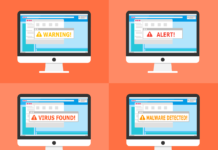
- Any page that wants you to turn off antivirus or SmartScreen to proceed.
- Password-protected archives, fake captchas, or “your download is ready” overlays.
- Cracks, keygens, torrents of paid titles. Every time.
Browse, don’t search
Here’s the shift that helps most: stop searching, start browsing. When you go at it through a search engine, you’re walking straight into whatever SEO-poisoned mess the attackers set up that week.
When you browse a trusted list instead, that whole attack surface disappears. If you just want to scroll the best free games and pick something, you’re never typing a sketchy URL in the first place — and the community ratings sitting next to each title do a decent job of separating the real thing from the junk.
Free by design beats “free” cracks
Want a concrete example of “free by design”? Crossout is free through official channels, which means there’s zero reason to ever go looking for a cracked copy of it. That logic holds for most of the big free-to-play games — the version everyone plays is the free one, so the “cracked” builds floating around are pure bait. Same goes if you’re chasing whatever’s hot: the best games online right now are almost all free-to-play, and the official versions cost you nothing but disk space.
Don’t forget the account
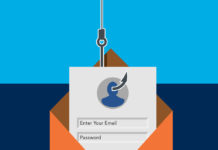
Malware is only half the story. Your accounts are worth money to someone, and takeover attempts are relentless. Use a unique password for every platform, keep them in a manager, and switch on 2FA wherever it’s offered. Treat every “free skins” or “free currency” link dropped in a game chat as phishing, because it nearly always is. And patch your stuff — browser, OS, GPU drivers — since plenty of game-adjacent exploits are just waiting on something outdated.
Final thoughts
None of this means playing scared. The handful of habits that keep you safe are the same ones that get you to good games faster: skip the cracks, use sources that don’t need workarounds, and lock down your logins. If you want a hand picking what’s worth your time, the Go Get Games blog is a solid place to start. Play as much as you like — just don’t let a free download turn into the most expensive click of your month.