





























Z-Library is an e-library that has become familiar to readers looking for a broad range of digital reading material. Over time, its website address has changed more than once, which has made the domain itself an important part of the service’s online identity.
For many people, an e-library is not only a place to find reading material but also a useful part of a wider study routine. Self-learners frequently turn to Zlibrary to complement their studies, especially when digital resources fit better into flexible learning schedules. This helps explain why changes to the website address can attract so much attention.
Why The Z-Library Website Address Changes
A website domain may look like a small technical detail, but it acts much like the street name of an online service. When the address changes, familiar bookmarks stop working, search results can become confusing, and older references may point somewhere else. Z-Library has used different domains over time, so the name attached to the address has become a regular part of discussions around the e-library.
The current landscape is not as simple as one permanent address replacing another. Various sources list different Z-Library domains, and some pages describe several access points at once. That means the phrase “official domain” can require careful attention to current information rather than reliance on an old bookmark or a familiar address.
How A New Domain Changes The User Experience
A domain change can affect more than the first page that appears in a browser. Search engines may need time to reflect a new address, saved links can become outdated, and readers may wonder whether a familiar page has moved or whether a different site is being presented. In practical terms, the website address becomes a small but important part of the overall experience.
There is also a simple psychological effect. Familiar web addresses become part of memory, much like the name of a local shop or a favourite café. When that address changes, even a working website can feel unfamiliar for a while. The changing Z-Library domain history shows why clear information about the current address matters.
Several details help explain why the domain question receives so much attention:
- The domain itself. A website address is the clearest visible sign of where an online service is hosted. Z-Library has appeared under different domain names across different periods, so an older address does not always represent the current access point. Current sources have listed domains including z-lib.sk, while other pages list additional addresses.
- Saved links and search results. Old bookmarks can remain in browsers for years, even after a website has moved. Search engines can also show older pages alongside newer ones. This creates a situation where several addresses may appear connected to the same service, although their current status can differ. Checking recent information is therefore more useful than assuming that the oldest familiar link is still the right one.
- The wider e-library routine. For regular readers, an e-library often sits alongside note-taking tools, academic databases, reference sites, and personal reading lists. A domain change can interrupt that routine without changing the basic idea of the service. Once the correct website address is established, the change becomes less significant and the library can return to its usual place in a reader’s digital habits.
What The New Address Means For Z-Library
The most interesting part of a domain change is that the name of the e-library can stay familiar while its web address moves around it. This creates a contrast between stability and change. The library remains recognisable, while the path used to reach it may look completely different. Current online sources show that Z-Library access information has continued to evolve during 2026.
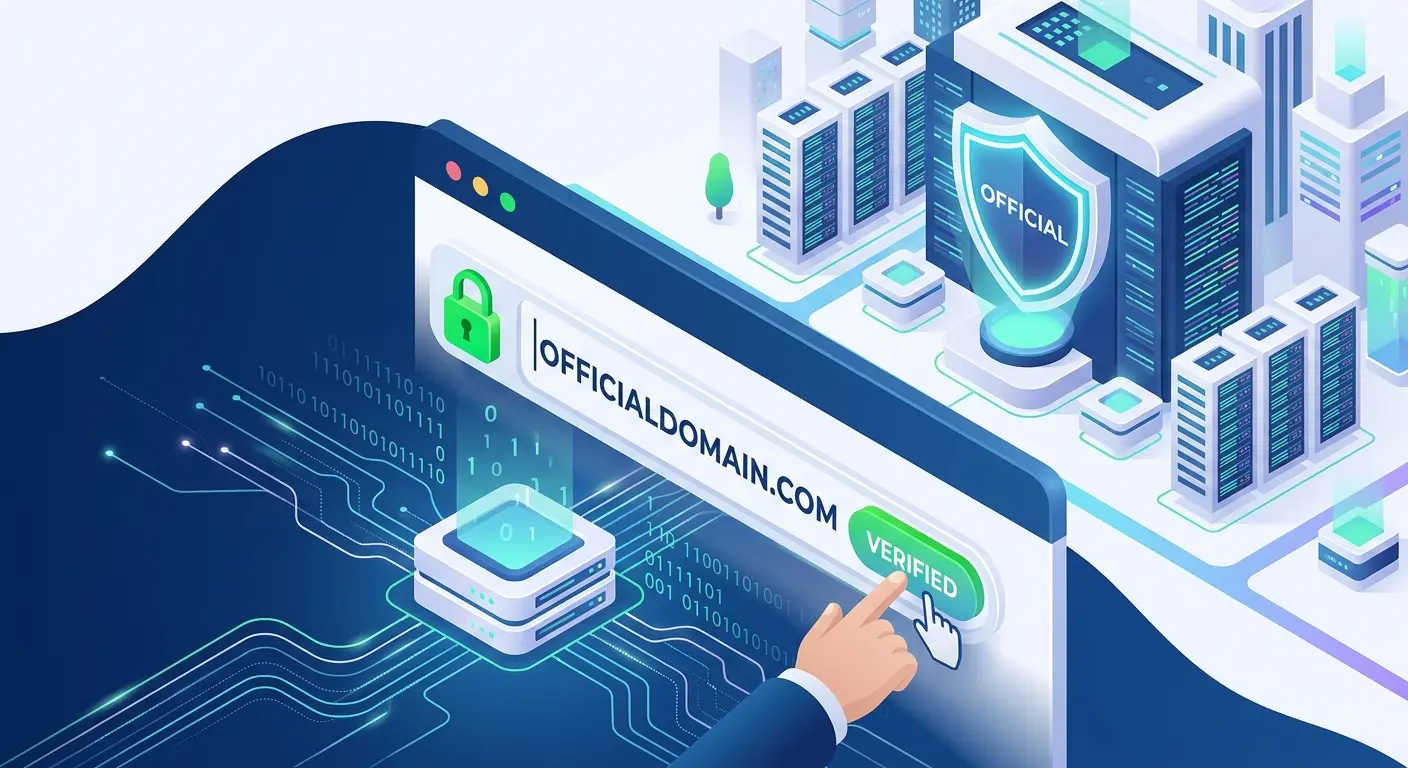
That is why the new Z-Library official domain should be treated as a current piece of information rather than a permanent fact. The website address can change again, while the broader role of Z-Library as an e-library remains familiar. In that sense, the domain is the front door, not the whole building. Keeping track of the latest address simply makes the connection between the two easier to understand.