































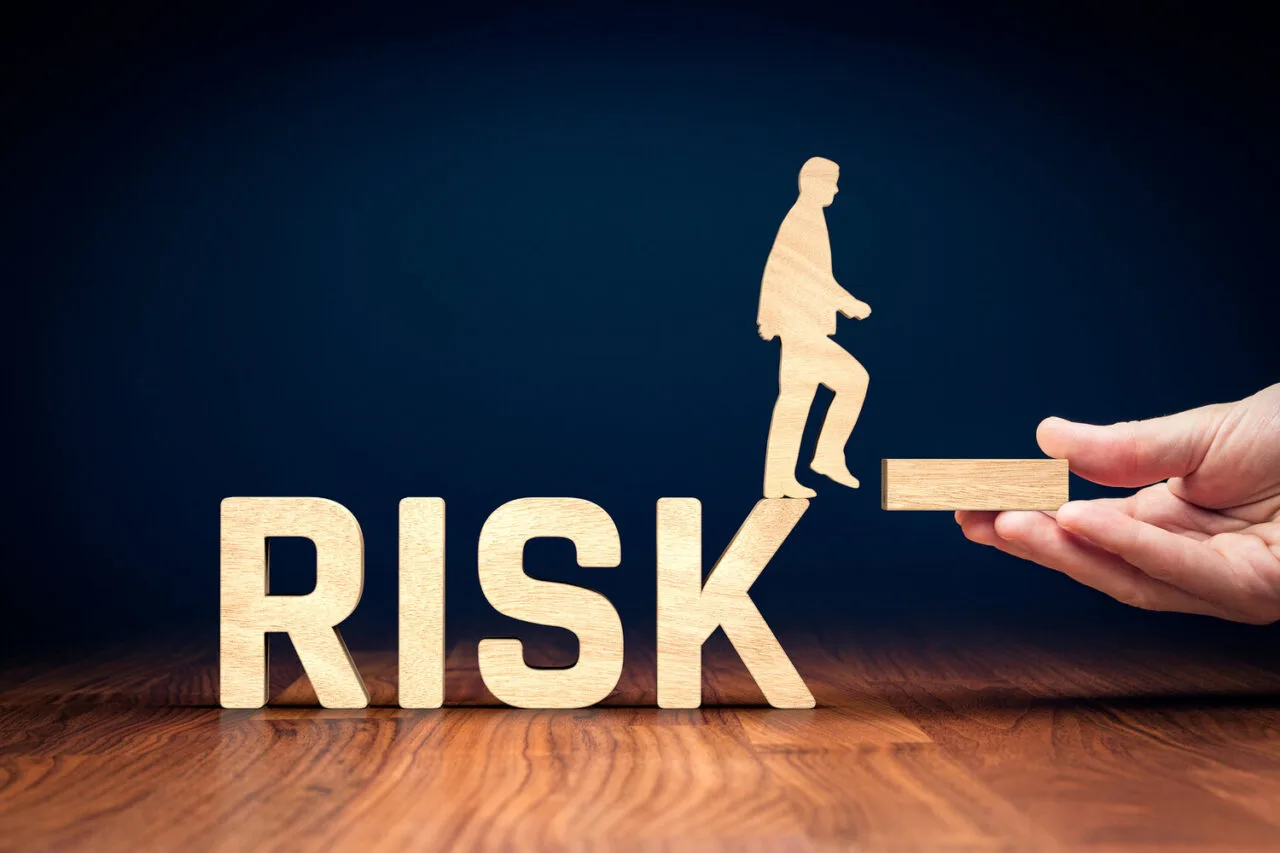
Facility risks are often treated as maintenance issues until they interrupt production, damage equipment, or create safety exposure. A power fault, poor air quality, water leak, access failure, or HVAC breakdown can affect more than the building. It can stop workflows, delay orders, expose data, and increase operating costs.
For security, operations, and risk teams, facility risk management should be part of business continuity planning. The physical environment supports every digital, industrial, and administrative process inside the organisation.
A resilient business is not only protected by firewalls and policies. It also depends on safe, stable, and well-managed facilities.
What Facility Risk Means
Facility risk refers to physical conditions that can disrupt business activity, harm people, damage assets, or reduce operational performance.
These risks can come from building systems, environmental conditions, equipment failure, poor maintenance, human error, or external events.
Common examples include electrical faults, water intrusion, poor ventilation, fire hazards, access control failures, pest issues, structural damage, temperature instability, and unsafe storage.
The impact depends on the business. A warehouse may be most exposed to vehicle movement and fire load. A data centre may be sensitive to power, cooling, and access control. A manufacturing site may face dust, fumes, machinery, and material handling risks.
Air Quality and Environmental Controls
Air quality is a serious operational factor in many facilities. Dust, fumes, vapours, humidity, and airborne particles can affect worker health, equipment reliability, product quality, and cleaning costs.
Poor indoor air quality can increase absenteeism, reduce visibility, contaminate sensitive equipment, and create compliance concerns. In industrial environments, airborne dust may also contribute to fire or explosion risk when not controlled properly.
Facilities that handle manufacturing, packaging, logistics, chemicals, textiles, wood, metals, or powders should assess ventilation and filtration as part of risk planning. Providers such as Zehnder highlight how cleaner air solutions can support industrial environments where particles and airborne contaminants affect daily operations.
Environmental control should not be reactive. It should be measured, documented, and maintained like any other critical facility system.
Power and Utility Interruptions
Power failure can disrupt lighting, security systems, production equipment, servers, refrigeration, communications, and access systems.
Even short outages can create operational loss. Machines may stop mid-cycle. Employees may lose work. Customers may be unable to reach support. Security cameras or badge readers may fail if backup power is weak.
Utility risks also include water supply disruption, gas faults, compressed air issues, and drainage failure.
Controls That Reduce Utility Risk
Key controls include:
- Backup power for critical systems
- Preventive electrical inspections
- Surge protection
- Clear shutdown procedures
- Tested generators or UPS systems
- Utility contact lists
- Escalation plans for outages
Critical loads should be identified before an incident. Not every system needs backup power, but essential operations should be protected.
Water Damage and Moisture Risk
Water is one of the most damaging facility risks. A small leak can affect ceilings, walls, flooring, stock, documents, wiring, and IT equipment.
Moisture can also create mould, slip hazards, corrosion, and structural deterioration.
High-risk areas include roofs, basements, restrooms, kitchens, utility rooms, loading bays, sprinkler systems, and pipe runs above sensitive areas.
Water sensors, regular roof inspections, drainage maintenance, and fast leak response can reduce damage. Businesses should also avoid storing critical records, stock, or electronics directly on floors.
Fire and Life Safety Failures
Fire risk is both a safety issue and a business continuity threat. Poor storage, overloaded circuits, blocked exits, faulty equipment, hot work, and combustible dust can all increase exposure.
Fire systems must be maintained and documented. This includes alarms, extinguishers, sprinklers, emergency lighting, exit routes, signage, and evacuation procedures.
Training matters. Employees should know how to report hazards, where exits are, how evacuation works, and who is responsible during an incident.
A fire plan that only exists in a binder is not enough.
Access Control and Physical Security
Facility access failures can create security and operational problems. Unauthorised entry may expose inventory, equipment, intellectual property, employee records, or sensitive systems.
Access control should match the risk level of each area. A public reception zone does not require the same controls as a server room, cash office, laboratory, or warehouse cage.
Card access, visitor logs, CCTV, locked storage, and restricted zones should be reviewed regularly.
Former employees, contractors, and vendors should have access removed promptly. Delayed deactivation is a common security weakness.
Equipment and Maintenance Backlogs
Facility equipment becomes risky when maintenance is delayed. HVAC systems, elevators, boilers, generators, fire doors, loading dock equipment, and compressors all need planned inspection.
A maintenance backlog can hide serious risk. Small faults can combine into larger failures.
Maintenance Data to Track
Facility teams should monitor:
- Overdue inspections
- Repeat equipment faults
- Repair response time
- Critical spare availability
- Compliance certificates
- Vendor service history
- Asset age and condition
- Downtime caused by failures
This data helps leaders decide where investment is needed before failure occurs.
How Facility Risks Affect Cybersecurity
Physical risk and cybersecurity are connected. If a server room overheats, systems may go offline. If badge access fails, restricted areas may be exposed. If flooding damages network hardware, digital operations can stop.
Security operations teams should include facility dependencies in incident planning.
This means understanding which physical systems support cameras, access control, monitoring tools, network equipment, and backup infrastructure.
Business continuity plans should include both IT recovery and facility recovery.
Building a Facility Risk Management Plan
A facility risk plan should identify critical areas, rank risks, assign owners, and define response procedures.
Start with a site assessment. Review building systems, environmental conditions, access points, storage areas, emergency routes, utilities, maintenance records, and incident history.
Then assign risk ratings based on likelihood and impact.
Document what controls already exist and where gaps remain. Set deadlines for corrective actions and review them regularly.
Final Thoughts
Facility risks can disrupt operations as quickly as a cyber incident or supply chain failure. Power, air quality, water, fire systems, access control, and maintenance all affect business resilience.
The strongest organisations manage facilities as part of operational risk, not just property upkeep.
When risks are identified early, controls are maintained, and response plans are tested, businesses can reduce downtime, protect people, and keep critical operations moving.