































Property damage claim disputes have become increasingly prominent in recent years, reflecting shifts in policy language, claims procedures, and regulatory environments. As insurance frameworks evolve, many policyholders find themselves navigating unfamiliar processes when disagreements arise.
Legal professionals at Your Insurance Attorney have observed this pattern across a growing number of cases. According to the firm, disputes frequently stem from differing interpretations of policy provisions, documentation challenges, or procedural misunderstandings rather than simple disagreement over value. In this changing landscape, clarity and structured legal analysis have become more important than ever.
Understanding the Rise in Claim Disputes
Several factors contribute to the growing number of disagreements over property damage. Insurance policies have become more detailed, often including endorsements, exclusions, and specific reporting requirements that can affect coverage outcomes. At the same time, insurers may implement updated review procedures that require extensive documentation.
These changes can create gaps between what policyholders expect and how claims are ultimately evaluated. When expectations and outcomes diverge, disputes are more likely to follow.
As disputes become more complex, some policyholders ultimately decide to hire Your Insurance Attorney for property damage cases after recognizing the importance of structured legal review and strategic evaluation. Legal guidance in these circumstances often focuses on interpreting contractual language and identifying procedural considerations rather than escalating conflict unnecessarily.
The Importance of Careful Policy Interpretation
Insurance policies are legally binding contracts, and even subtle wording differences can influence claim determinations. Coverage limits, exclusions, deductibles, and timelines must be carefully reviewed to assess whether a disagreement stems from factual issues or contractual interpretation.
Attorneys at the firm note that many disputes can be clarified through detailed policy analysis. Rather than approaching a disagreement emotionally, a methodical review of the policy often reveals where misunderstandings originate.
This analytical approach allows individuals to evaluate their options with greater confidence and avoid premature conclusions about the strength or weakness of their position.
Documentation and Evidentiary Considerations
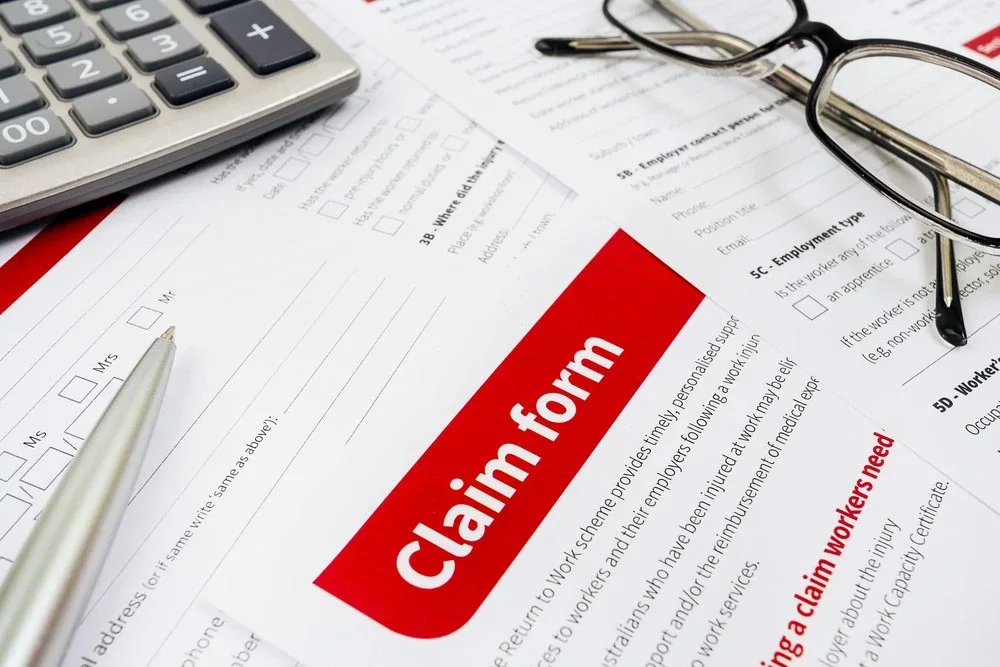
Another common factor in property damage claim disputes involves documentation. Insurers may request repair estimates, photographs, inspection reports, maintenance records, and proof of loss statements. Incomplete or inconsistent documentation can complicate claim review and potentially delay resolution.
Legal professionals frequently emphasize the importance of organized recordkeeping. Maintaining detailed documentation not only strengthens a claim but also provides clarity during discussions with insurers.
Addressing evidentiary gaps early in the process can sometimes prevent disputes from escalating into more formal proceedings.
Communication Gaps and Process Challenges
Disagreements do not always arise from substantive conflicts. In some cases, delayed responses, unclear explanations, or inconsistent communication can create frustration. When policyholders do not fully understand the reasoning behind a decision, uncertainty can intensify.
Legal experts suggest that clear, documented communication is critical. Understanding the basis of a claim determination — whether it involves valuation differences, coverage exclusions, or compliance issues — allows for more constructive dialogue.
By prioritizing transparency and organized correspondence, policyholders may reduce the likelihood of prolonged misunderstandings.
Evaluating Resolution Pathways
When disagreements persist despite clarification efforts, several potential resolution pathways may exist. These can include internal appeals, appraisal provisions outlined in the policy, mediation, or litigation, depending on the specific circumstances.
Importantly, not every dispute requires immediate escalation. A measured review of the available options allows individuals to weigh timelines, costs, and potential outcomes before proceeding.
When informal resolution efforts stall, individuals may consider whether to hire Your Insurance Attorney for property damage cases to better understand available legal mechanisms and procedural requirements. In these instances, legal involvement often focuses on clarifying contractual obligations and ensuring compliance with policy terms.
Strategic evaluation rather than reactive decision-making is frequently emphasized as the most effective path forward.
A Broader Industry Perspective
The rise in property damage claim disputes reflects broader shifts within the insurance industry. Economic pressures, regulatory updates, and environmental factors all influence how insurance claims are assessed and processed. As policies evolve, so too must the approaches used to interpret them.
Legal professionals observe that increased awareness among policyholders has also contributed to a rise in formal challenges. Individuals are more informed about their contractual rights and are more likely to seek clarification when determinations appear inconsistent with policy language.
Within this environment, education and preparation remain central themes.
Moving Forward with Informed Analysis
Property damage disputes can be complex, particularly for those unfamiliar with insurance contract terminology and procedural requirements. However, a structured approach — grounded in careful policy review, thorough documentation, and strategic communication — often provides clarity.
Legal experts at Your Insurance Attorney emphasize that each case carries distinct facts and considerations. Approaching disputes analytically, rather than emotionally, allows policyholders to better understand both their rights and their responsibilities under the contract.
As claim processes continue to evolve, informed evaluation remains essential. By focusing on contractual interpretation, procedural compliance, and strategic resolution options, individuals can navigate property damage claim disputes with greater confidence and perspective.